Archive for category Authors
Moving On From Short Story to Novel
Posted by Sally Jenkins in Authors, Books on February 13, 2012
I’ve been reading Della Galton‘s new book – Moving On from Short Story to Novel. 
It’s written in an easy to read friendly tone and does what it says on the tin – it explains the different techniques required for writing full length fiction compared to short stories.
When I attempted NaNoWriMo a couple of years ago I fell into the trap of thinking that to fill the pages of a novel it was necessary to pack it with action. I had something new happening all the time. Della explains that this is not the case, what is needed is more depth – i.e. more characterisation, detail of setting etc. She uses examples from her own novels and stories, including a synopsis (great to see a successful synopsis ‘in the flesh’!) and a chart showing how to keep track of what’s happening in each chapter (one of those things that you see and then say – that’s obvious so why didn’t I think of it? Sometimes we just need these things pointing out).
Della also explains the concept of a theme within a novel. Something that I’ve always thought sounds very literary and highbrow but in fact it’s something that many writers do unconsciously. Theme boils down to the focus of your novel and, according to Della, if you can identify that theme then both plotting and editing become easier.
The only downside to this book is that it’s not available on Kindle and incidentally, it’s written in such a way that a novelist could use it as an aid to moving to shorter fiction.
Now all I have to do is put all this brilliant advice into practice…
Kindle Talk
Posted by Sally Jenkins in Authors, Books, Computers & Technical on February 6, 2012
I’ve finally got round to buying a cover for the Kindle I received at Christmas. It’s a bright pink neoprene zip-up sleeve.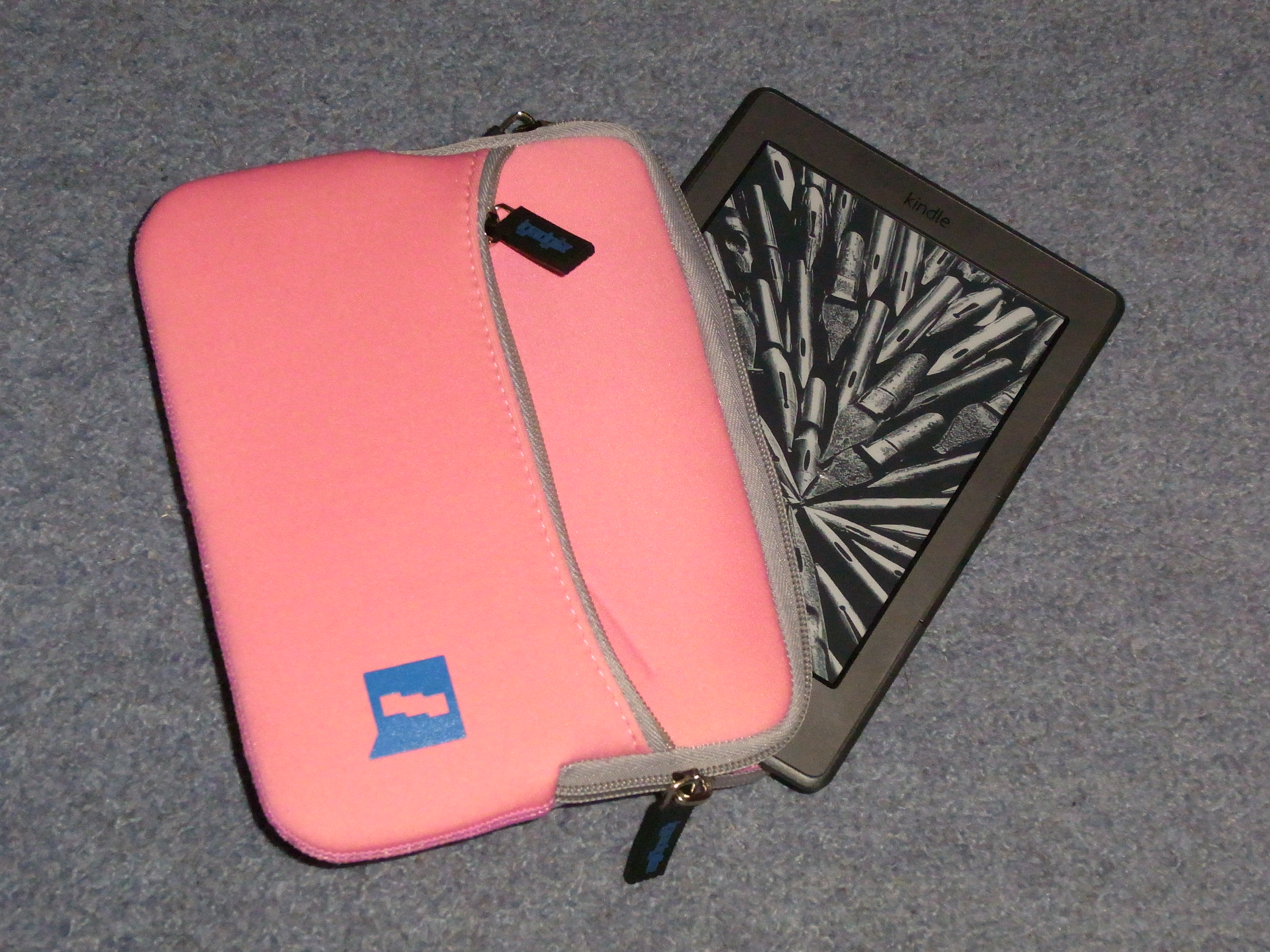 I wanted to use the Kindle for a while before deciding whether to go for the book-like cover or the sleeve – but I couldn’t start on the e-books until I’d finished the ‘proper’ book I was already part way through (Harvesting the Heart by Jodi Picoult – not as good as some of her others, I thought).
Before I started using the Kindle I was a bit worried that it wouldn’t feel like a book and I wouldn’t be able to get engrossed in the story. But it was no problem, the page turning becomes automatic and the fact that it’s an electronic device doesn’t reduce the enjoyment. A colleague at work said he was so involved in what he was reading that he totally forgot it wasn’t a book and reached his hand over to turn the page manually.
The only thing I find frustrating is the choice of font sizes. I was hoping to find one that would let me read without wearing my glasses but my ideal size seems to fall in the middle of two choices – so I still put the specs on.
So far I’ve worked my way electronically through A is for Alibi by Sue Grafton, How to Make £10 in 10 Minutes by Linda Lewis and I’ve just started Gone with the Wind by Margaret Mitchell (am I the only person never to have seen the film or read the book?).
Now, I’m wondering about downloading Write a Great Synopsis by Nicola Morgan. I think I’m going to need it to stand any chance of getting an entry ready for the Good Housekeeping Novel Writing Competition – it’s not going too well at the moment! Is anybody else struggling?
Before I Go To Sleep by SJ Watson
Posted by Sally Jenkins in Authors, Books on December 23, 2011
I’ve just read a terrific book – Before I Go To Sleep by SJ Watson.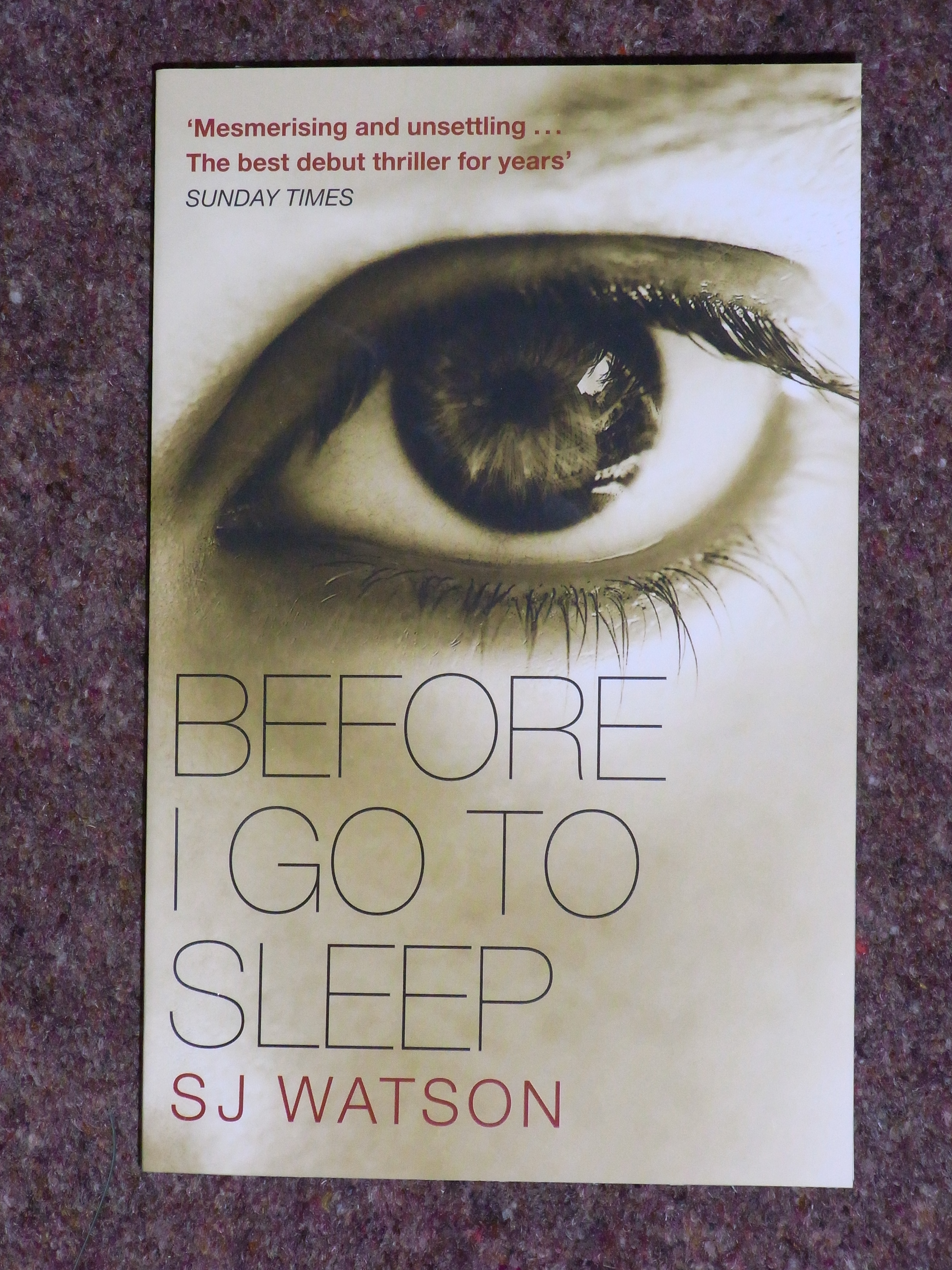
It’s about a lady called Christine who suffers from memory loss. Each morning she wakes up next to a strange man, not knowing who he is, how she got there or if anything happened between them. This man is her husband, Ben, and every day he has to explain their relationship to her and the facts about her past life. This happens day after day after day. Then a doctor takes an interest in her case and begins to see Christine without Ben’s knowledge. He encourages Christine to start keeping a journal and it appears that Ben may not be telling the full story about Christine’s past.
The ending is nail-biting stuff …
In 2009 Watson took part in the first Faber Academy ‘Writing a Novel’ course and this book is the result. Ever hopeful, I’ve just had a quick look at this course and it’s £3,500 for 6 months – a bit out of my league but it was obviously a good investment for Watson because the book has been translated into 30 languages and the film rights have been acquired.
Before I Go To Sleep is Birmingham’s Big City Read and 1,000 free copies (999 now because I’ve had one of them) are available from the city’s libraries. More details are here.
Novel Writing Booster Kit with Martin Davies
Posted by Sally Jenkins in Authors, Events, Writing, Writing Exercises on October 24, 2011
The other Saturday I attended a novel-writing ‘booster’ workshop with the author, Martin Davies at Mackworth library.

The aim was to build on what we had learnt earlier in the year at his ‘starter’ workshop .
Martin set lots of exercises to get the pen moving over the page and thus prove to ourselves that ‘writing’ isn’t some wonderful magical gift that you must have in bucket loads in order to succeed – instead tenacity is one of the qualities most useful to a writer.
Once again Martin was very generous with his advice and I came away with the following tips jotted down:
- If a minor character is feeling 2-dimensional, give him an unusual hobby to flesh him out
- Before you begin your novel, write a 2 sentence or ‘elevator’ pitch – and repeat this exercise at regular intervals to make sure you’re not going off at a tangent
- The odd observed detail will bring your settings and characters to life – not swathes of description
- When setting a scene, mention one big thing e.g. the mountain that dominated the landscape, and one small thing e.g. the cigarette burn on the table-cloth.
- Finish the first draft without looking back over your work AT ALL
- In preparation for the second draft print out the manuscript and read it through, marking any corrections/changes as you go – don’t change anything yet because you’ll lose the momentum of how the story flows. When you’ve read & marked to the end you can begin changing the text. Repeat this as many times as necessary.
- Read aloud to check the flow of the story.
- Write what you feel excited and moved by.
- Don’t tell other people what your novel is about – it will make it feel stale to you.
So now I’m trying to pluck up the courage to go back to the Pocket Novel that I completed in the summer. I need to turn that rough first draft into something comprehensible – or maybe I’ll decide that it’s rubbish and bin it! But, as Martin said, no writing is wasted – it’s all practice for better writing.
Character or caricature?
Posted by Sally Jenkins in Authors, Books, Writing on August 15, 2011

Cover of Filthy Rich
Many thousands of words have been written on how to create believable characters that will attract the reader’s empathy. Well-honed characters make the reader turn the page and ultimately they linger in the mind long after the book has been finished.
But sometimes authors appear to break the ‘rules’. I’m reading Filthy Rich by Wendy Holden and several of the characters within this novel are more caricatures than characters with whom that the reader can identify. There is:
- Alexandra – the stereo-typical footballer’s girlfriend. She’s all shiny bling and would-be celebrity.
- Beth – an American desperate to mingle with the English aristocracy
- Morag – the local eco-warrior who insists on an earth closet at the allotments to provide free fertiliser
Initially, I felt these cartoon-like people gave the book a shallow feel and I was tempted to give up on it. However, there are some ‘real’ people in the book – the headmistress who’s falling in love with the widowed solicitor, Mary who’s struggling to save the local stately home plus 8-year-old Sam who’s being fostered. As I got drawn in to the story of the believable characters in their fictional Derbyshire village, I realised that the ‘caricature’ people served a purpose:
- They add humour
- They unite the other characters in their battle against them (or against the earth closet in particular!)
- They provide plot lines as their over-the-top activities impact the village
So maybe it’s not necessary to make every one of your characters totally authentic. If you want to lighten the mood, advance the plot or bring other characters together then it could be alright to go OTT once in a while.
Plus it could be fun to let your imagination run riot and create a really way-out caricature!
The Best Man to Die
Posted by Sally Jenkins in Authors, Books, Competitions on August 4, 2011
I’ve just finished reading The Best Man to Die by Ruth Rendell. I picked the book up in a charity shop because I’ve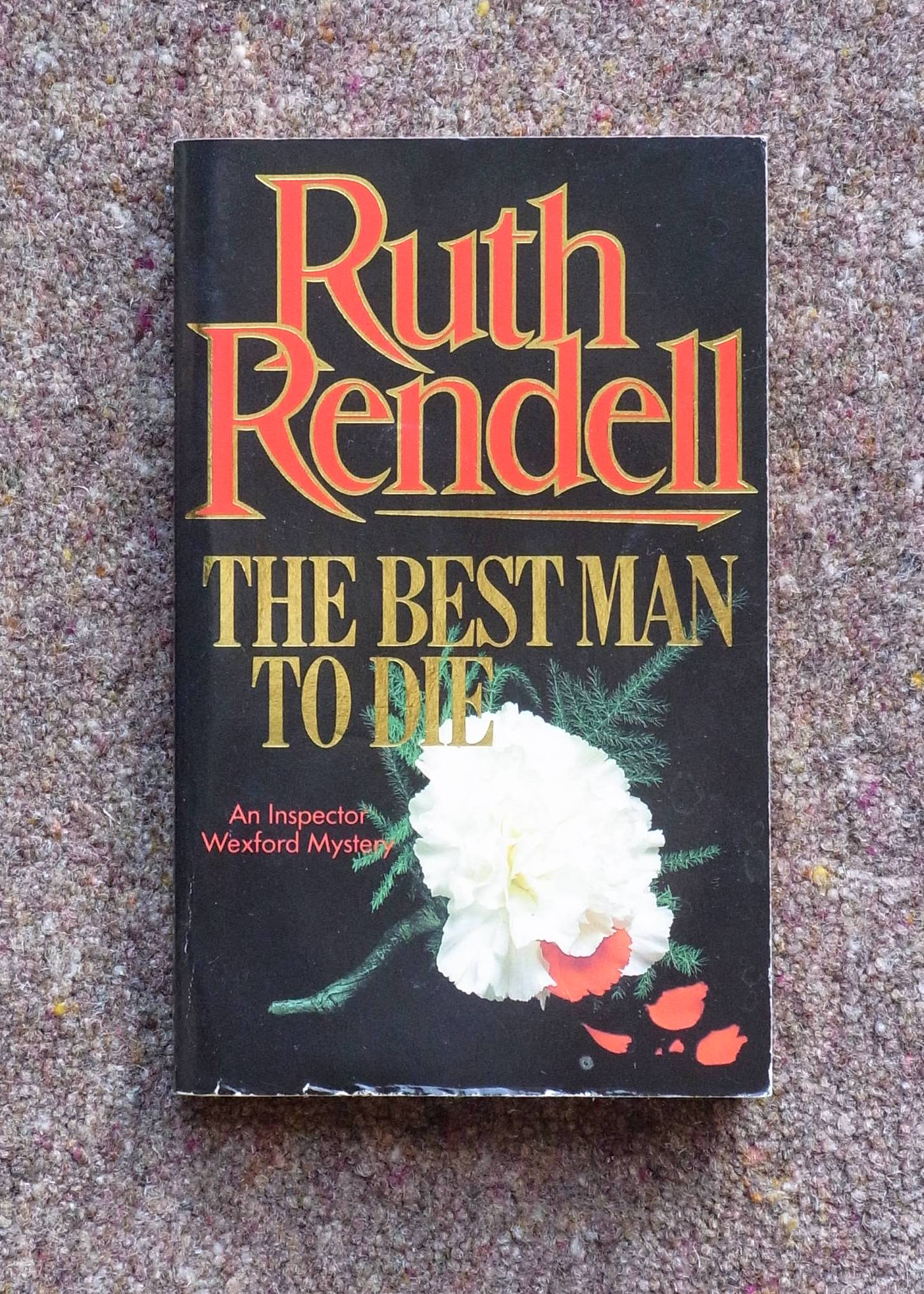 enjoyed Ruth’s psychological thrillers. But this novel turned out to be an Inspector Wexford story (serve me right for not reading the blurb properly!).
After a few pages I had to check the title page to see when it was published – 1969. The book was plunging me into a world where fridges were the height of luxury (does anyone remember life without a fridge?) and wages were £20 a week. The book was full of prices (a top of the range set of false teeth cost £200 and played an important part in the book) and things that just don’t happen anymore – such as using phone boxes!
In the end I enjoyed the book as a social history of its era – a time I don’t really remember even though I was 6 when the book was written.
It also threw up two points that we should consider as writers:
- It’s very easy to make your stories sound ‘dated’ by including prices, wages, specific music etc. This can be an advantage if it’s important to the story that we know it is set in a specific year but a disadvantage if you’re resurrecting an old story for a new competition – your entry may seem a little tired if it’s referring to things that were current 5 years ago.
- Whenever we write we are creating evidence for the historians of the future. Whether our work is published or not someone may stumble upon it in the years to come and marvel at how primitive our lives were at the start of the 21st century!
And whilst I’m on the subject of Ruth Rendell, the Ruth Rendell Short Story competition is open for entries until the end of October. The winner will receive £1000 and will be commissioned to write 4 more stories. Full details are here.
Author Portraits
Posted by Sally Jenkins in Authors, Books, Promotion on July 18, 2011
For example, in the front of my copy of the chick-lit novel It’s a Kind of Magic by Carole Matthews, Carole is smiling in a sisterly kind of way. But in the crime novel The Mephisto Club by Tess Gerritsen, Tess’s face is much more sombre. The difference between the two women’s photos on their websites is even more pronounced and suited to the mood of their books.
I hadn’t thought about any of this until I read a short piece by Bidisha in the Guardian. Bidisha’s piece was prompted by a new picture that’s come to light of Jane Austen but it got me thinking about my own ‘publicity’ photo which I email off to editors when requested and it also appears on this blog.
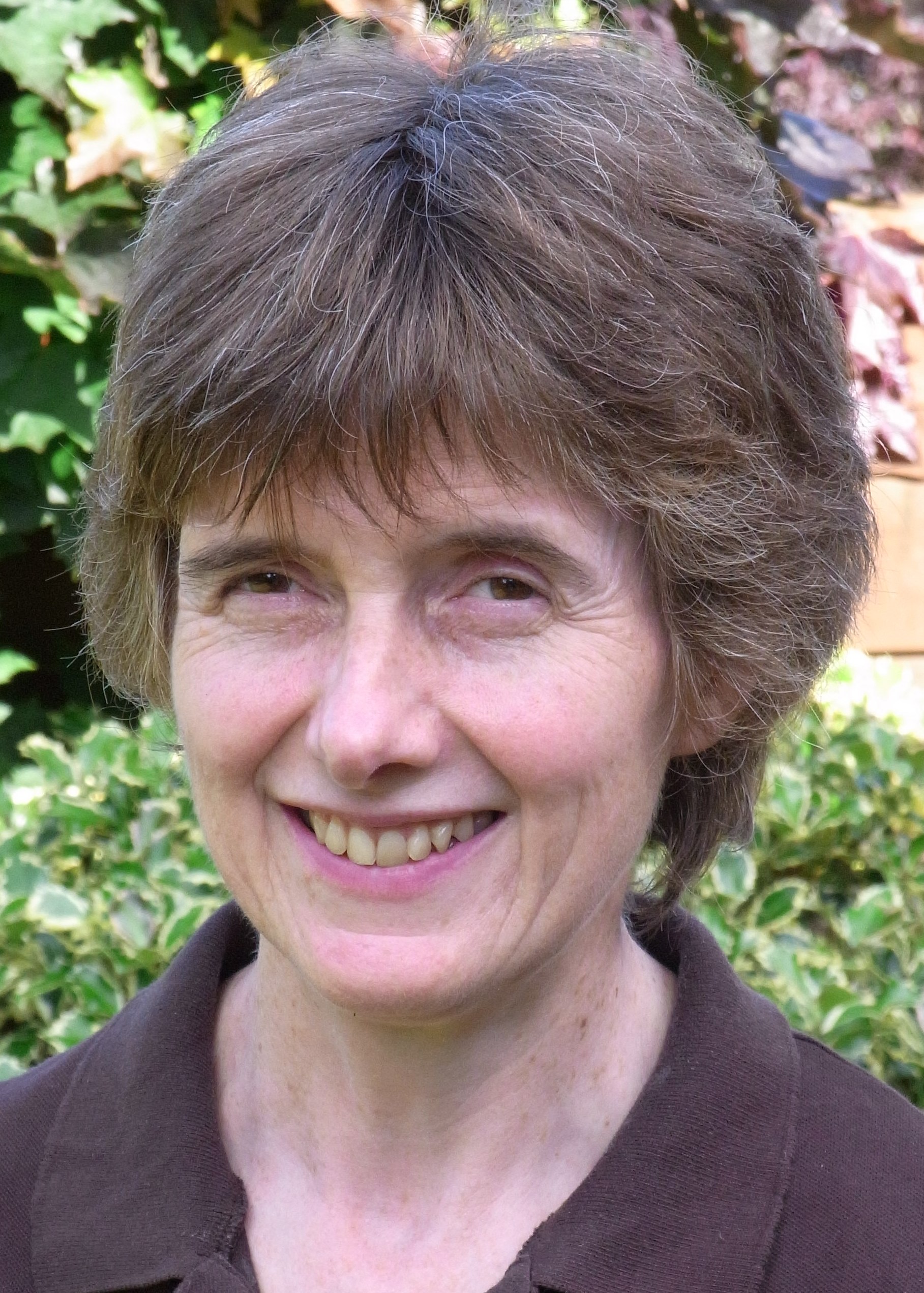
The picture was taken around three years ago and I wondered if it needed updating. In the intervening time I’ve added a few more grey hairs and produced another wrinkle or two – so should I be honest about my ageing or stick with the younger me?
Bidisha says that’s she’s been told, “…it’s good to look more haggard (in a picture) than you actually are, so that when people meet you they are pleasantly surprised.”
I’m not sure that I totally agree with that statement but I don’t want to hide behind a false image so I got my other half to take a few head and shoulder shots of me in the garden.
Have a look at them and let me know whether I should switch to one of the new photos, stick with the old one – or maybe try again when I’ve had my hair done and got my best frock on!
Picture A

Picture B
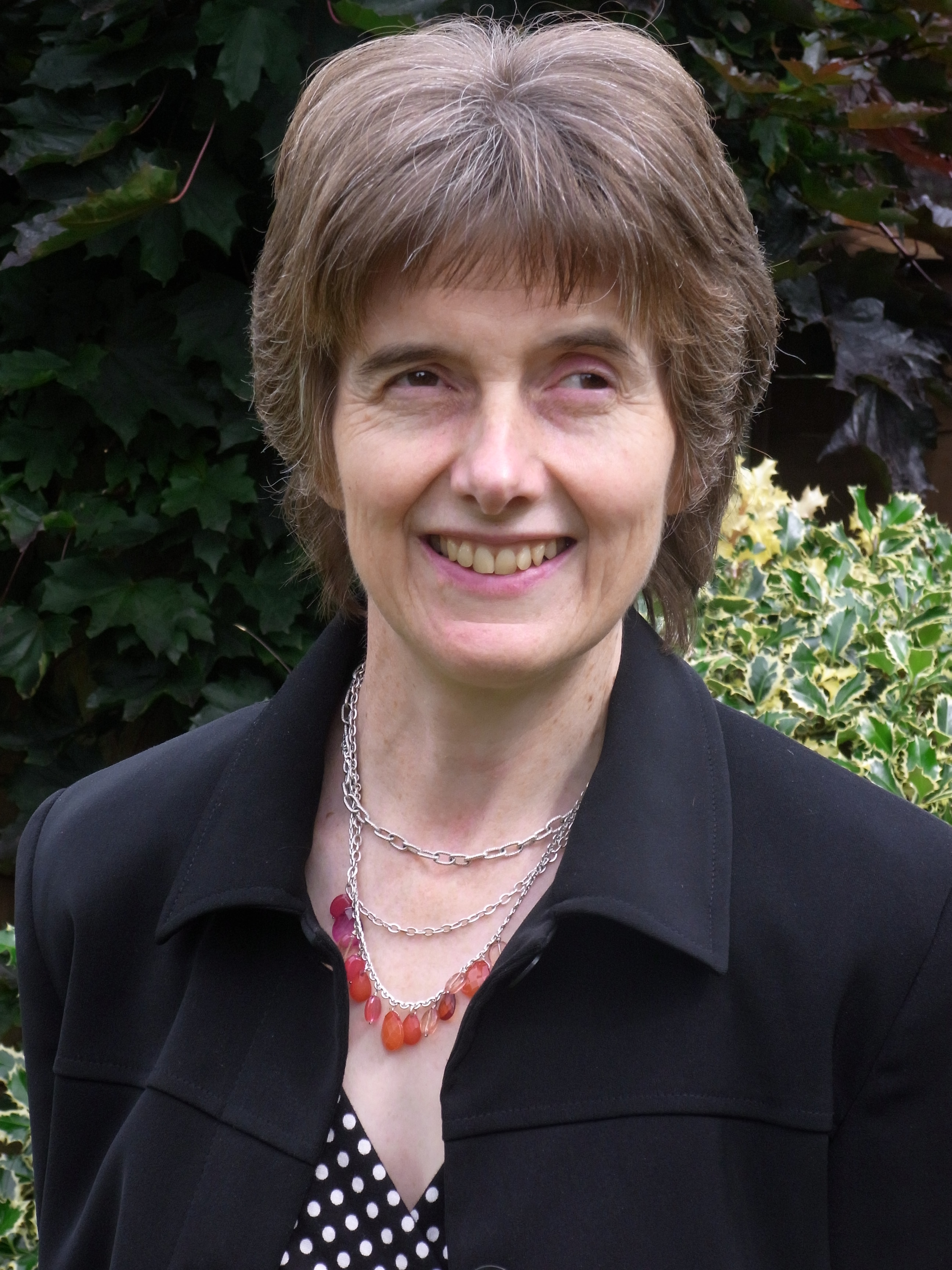
Picture C
How to be a Best Selling Author…
Posted by Sally Jenkins in Authors, Books, Promotion on July 7, 2011

Image via Wikipedia
… organise a record-breaking book-signing.
An email from Random House popped into my inbox yesterday inviting me to Katie Price‘s latest book-signing. It is being held on July 27th at the O2 Academy in Leeds. Katie is aiming to sign more than 1,951 copies of her book The Comeback Girl. The book will be on sale at the event for half price and all those attending will have their name included in the acknowledgements of her next novel, out in October. In addition one lucky person will be picked at random to be a character in the new novel. Everyone will also receive a woven wristband as a souvenir of the day. Full details here.
This is a very canny (if expensive) marketing ploy. Katie is guaranteed massive sales at the signing event plus a repeat of those sales in October as everyone buys the next book (for themselves & their friends) because their name appears in the acknowledgements.
It’s widely acknowledged that Katie is a very skilful business woman who knows how to market herself and make money. In recognition of this, I take my hat off to her and wish her every success but a small part of me groaned when I read the email. It seems like another case of publishing success feeding off a celebrity name – but may be I’m not entitled to comment given that I’ve never read any of her books.
What do you think?
Writing with Dyslexia
Posted by Sally Jenkins in Authors, Writing Handicaps on June 30, 2011

Image via Wikipedia
Most of us misspell words, punctuate incorrectly or get our grammar in a twist from time to time. Usually a quick read through the story or article will throw up the errors made in our haste to get the words down on paper. Then it’s a simple job to correct them and send the manuscript on its merry way to the editor.
But imagine if it wasn’t so easy. What if you couldn’t spot your own errors and continually made the same basic mistakes over and over again – despite having read The Penguin Guide to Punctuation six times? What if you’d been labelled ‘educationally subnormal’ at the age of 15 ? What if there were stories and poems buzzing around inside your head but no one would take your writing seriously because of the spelling and punctuation errors?
That was the experience of a friend of mine until finally, at the age of 60, she was diagnosed with dyslexia.
“I cried tears of such relief when I was told by an educational psychologist at the University of Birmingham that my IQ is above average and it is not my fault that I am a slow learner,” she said. “He discovered that I am seriously dyslexic and have problems writing paragraph sequences. I am very slow at reading print and need to read something up to 6 times before I fully understand it.”
The computer, with its spell-check facility has been my friend’s saving grace. It doesn’t flag all her errors but at least enables her to get her stories on to paper. Since her diagnosis she has successfully completed a BA Hons. in Creative Writing – demonstrating that she has the imagination and creativity to become a writer when armed with the right tools.
My friend isn’t the only writer to have battled dyslexia. Novelist, Natasha Solomons told the Evening Standard, “No one explained to me that the written shapes on the page were related to the words we spoke. I thought there were two separate languages: one sounds and one squiggles.”
The author and women’s campaigner Erin Pizzey is dyslexic, as is the actress and writer, Susan Hampshire.
So next time you’re struggling to find the right word or trying to decide whether an apostrophe is required, be thankful that you can easily browse the thesaurus or check in your grammar textbook. Some people aren’t so lucky but still battle through to make a success of writing.
By the way, the illustration to this post is called ‘Dyslexic Vision’. If any of you suffer from dyslexia, maybe you could let me know if this is how the printed page appears to you?
Originality or Marketability?
Posted by Sally Jenkins in Authors, Books, Markets on June 20, 2011
I’ve just read the Norwegian crime novel The Snowman by Jo Nesbo. It’s a gripping story of murder with many twists and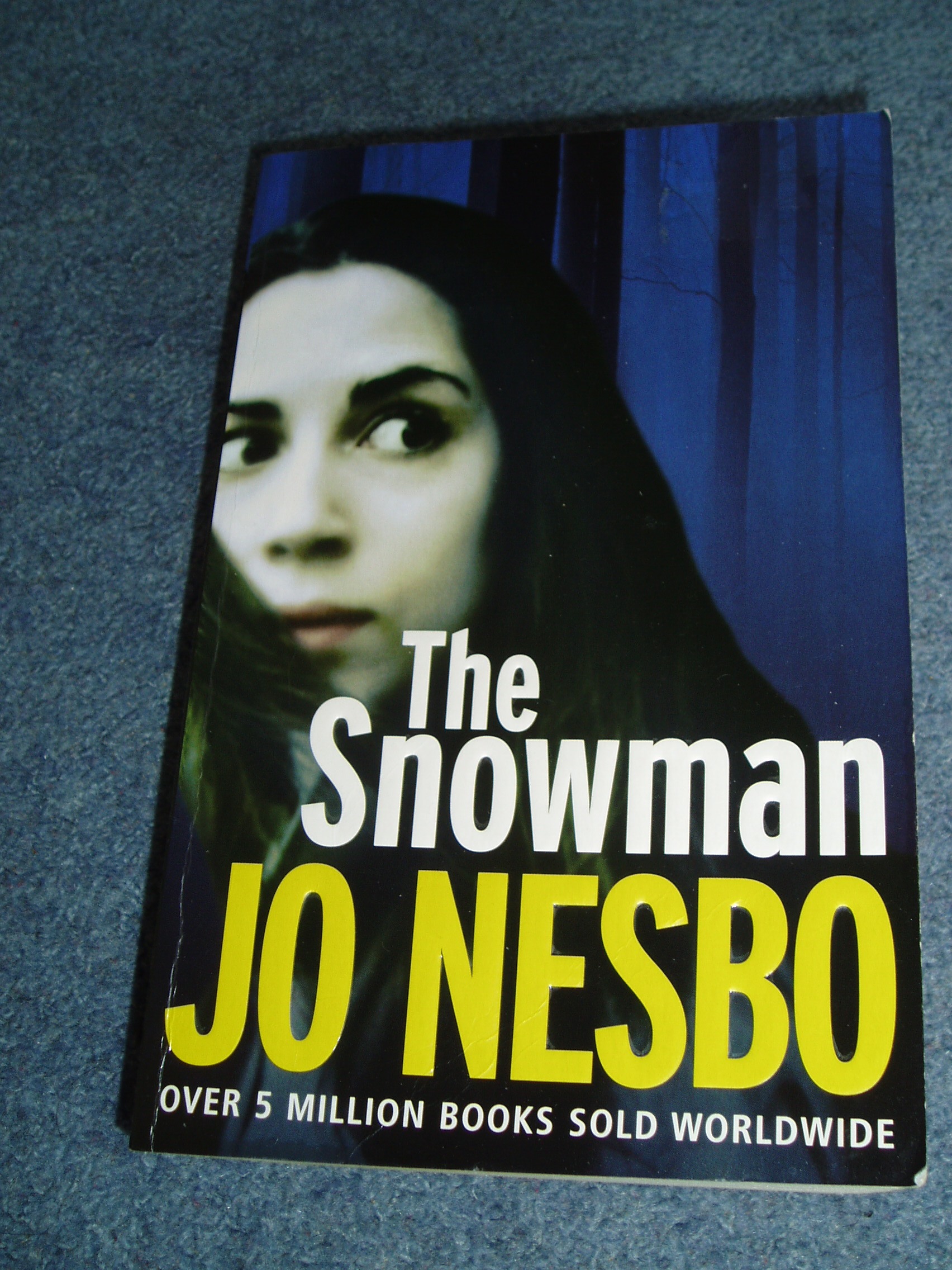 turns before the true identity of ‘The Snowman’ is revealed. I admit to choosing the book solely because Stieg Larsson and Henning Mankell (creator of Wallender) have hooked me into Scandinavian crime fiction.
The Sunday Times says of The Snowman, ‘…deserves comparison with the first volume of Stieg Larsson’s Millennium trilogy’ and The Independent says ‘…well placed to secure the loyalty of Stieg Larsson fans.’
When pitching to publishers and agents, would-be novelists are often advised to state where their book sits in relation to other authors, i.e. whose novels are similar to theirs. Publishers like a novel that fits neatly into a specific genre so that it can be easily marketed – hence the large number of books now marketed as ‘the next Stieg Larsson’.
So where does this leave originality and creativity?
It seems to me that a novelist (and especially a first time novelist) is risking life, limb and a publishing deal if he tries to write outside tried and tested genres. No matter how good the writing, it will be an uphill battle to get a book deal without a ready marketing hook. But someone has to be first to dip a toe in the water with a new idea – the Larsson books were something completely different when they first appeared.
What does anyone else think – is it best to bend your writing to fit a genre or is it better to follow your heart and risk alienating publishers?
By the way – I really enjoyed The Snowman and heartily recommend it.
-
You are currently browsing the archives for the Authors category.
 Sally Jenkins