Character or caricature?
Posted by Sally Jenkins in Authors, Books, Writing on August 15, 2011

Cover of Filthy Rich
Many thousands of words have been written on how to create believable characters that will attract the reader’s empathy. Well-honed characters make the reader turn the page and ultimately they linger in the mind long after the book has been finished.
But sometimes authors appear to break the ‘rules’. I’m reading Filthy Rich by Wendy Holden and several of the characters within this novel are more caricatures than characters with whom that the reader can identify. There is:
- Alexandra – the stereo-typical footballer’s girlfriend. She’s all shiny bling and would-be celebrity.
- Beth – an American desperate to mingle with the English aristocracy
- Morag – the local eco-warrior who insists on an earth closet at the allotments to provide free fertiliser
Initially, I felt these cartoon-like people gave the book a shallow feel and I was tempted to give up on it. However, there are some ‘real’ people in the book – the headmistress who’s falling in love with the widowed solicitor, Mary who’s struggling to save the local stately home plus 8-year-old Sam who’s being fostered. As I got drawn in to the story of the believable characters in their fictional Derbyshire village, I realised that the ‘caricature’ people served a purpose:
- They add humour
- They unite the other characters in their battle against them (or against the earth closet in particular!)
- They provide plot lines as their over-the-top activities impact the village
So maybe it’s not necessary to make every one of your characters totally authentic. If you want to lighten the mood, advance the plot or bring other characters together then it could be alright to go OTT once in a while.
Plus it could be fun to let your imagination run riot and create a really way-out caricature!
48 Minutes to a Magazine Article
Posted by Sally Jenkins in Resources, Writing Exercises on August 11, 2011
This post is being brought to you in association with Sally Quilford’s 48th Birthday Celebrations on August 11th 2011.
Many of us whinge that we don’t have enough time to write. Home and work commitments are always getting in the way -I use this as an excuse for my lack of writing as much as anyone. So, here is a 7 day plan that involves writing for just 48 minutes per day and by the end of it you should have a short article all ready to go.
- Day 1 – visit a large newsagent and spend 48 minutes finding your market. Look for a magazine that covers something you know at least little about (i.e. write what you know so that the research isn’t too onerous). Check out the list of staff in the front of the magazine and compare to the ‘by’ lines on each article in order to check how much is written in-house and much is freelance provided. Buy the magazine you think you could write something for. (N.B. In a perfect world you would buy 2 or 3 issues of the magazine over a number of weeks/months in order to get a feel for which articles are regular columns and which are the one-off freelance features that we are aiming at) .
- Day 2 – make yourself a cup of coffee and sit down with a large sheet of paper. Set a timer for 48 minutes and then brainstorm! Dream up as many article ideas as possible for your chosen publication. For example, if you’ve chosen a dog magazine then your list could include ‘How to Choose a Dog Walker’, ’10 Tips for Taking Your Dog on Holiday’ or ‘Famous People and their Dogs’.
- Day 3 – choose which of the articles shows the most promise and spend 48 minutes writing an outline. Include an introduction (not too long – get straight to the point of the article), each point that you want to make and a conclusion.
- Day 4 – pitch the idea, via email, to the editor of the magazine. If you want some help on how to put together the perfect pitch have a look at Simon Whaley’s article here.
- Day 5 – start writing the article. If you don’t want to stop after 48 minutes that’s fine – keep going whilst the enthusiasm is high! Hopefully by now you’ll have stopped looking for displacement activities like cleaning out the kitchen cupboards.
- Day 6 – finish writing the article. Then find someone to read it aloud to – this will help you spot clumsy sentences, missing words, bad grammar etc. (this bit can be in addition to the 48 minutes since it can involve the rest of the family and therefore isn’t strictly ‘writing time’).
- Day 7 – spend the last 48 minutes having a final read through the article and then, submit !
For the purposes of simplicity I have assumed that the above activities will take place on 7 consecutive days. In reality there will probably be a gap between days 4 and 5 whilst you wait for a response to your pitch (fill this gap by starting work on a second idea). It might also be wise to leave a gap between days 6 and 7 so that you can re-read the article with fresh eyes before sending it off.
That just leaves me to wish Sally a ‘Happy 48th Birthday’ and thank her for the challenge to write a blog post based on ’48’.
Opportunities in Yours magazine
Posted by Sally Jenkins in Markets on August 8, 2011
Yours is a fortnightly lifestyle magazine targeting women aged 55+ and offers several slots for getting into print:
- Your Memories – send in ‘an amazing story’ (no more than 1000 words) from your past plus photos for a chance to earn £100.
- Travel – send a 300 word review of your holiday plus a picture with you in it. Each story printed receives £50.
- Grandkids Gallery – send in a photo of your grandchild or something funny that they’ve said. All those printed receive a £10 High Street voucher
- Meeting Place – this is described as ‘the heart of the magazine’ and welcomes funny stories, rants and photos. Every contribution featured gets a £10 High Street voucher and the Star letter gets £25.
- I followed my dream – £25 for 200 words
- Amazing at 80+ – £25 for 200 words plus a photo
- Fashion we wore – send in your picture of fashion from the past plus 60 words describing it for a £10 High Street voucher.
- Short story – the magazine uses one short story per issue. The guidelines are on the magazine’s website here.
- Nostalgia features – up to 1000 words. The guidelines are on the magazine’s website here.
Remember to study a few issues of the magazine in order to get a feel for the style before sending anything in and don’t expect a fast turnaround for anything you submit – Yours receives around 1500 letters and emails every fortnight and asks fiction and feature writers to allow 6 months before chasing their submissions.
Yours also publishes a hardback annual in the run up to Christmas and a short story which I submitted to the magazine a few years ago was eventually selected for publication in the annual instead, so there appears to be some crossover between the two publications.
Good Luck!
The Best Man to Die
Posted by Sally Jenkins in Authors, Books, Competitions on August 4, 2011
I’ve just finished reading The Best Man to Die by Ruth Rendell. I picked the book up in a charity shop because I’ve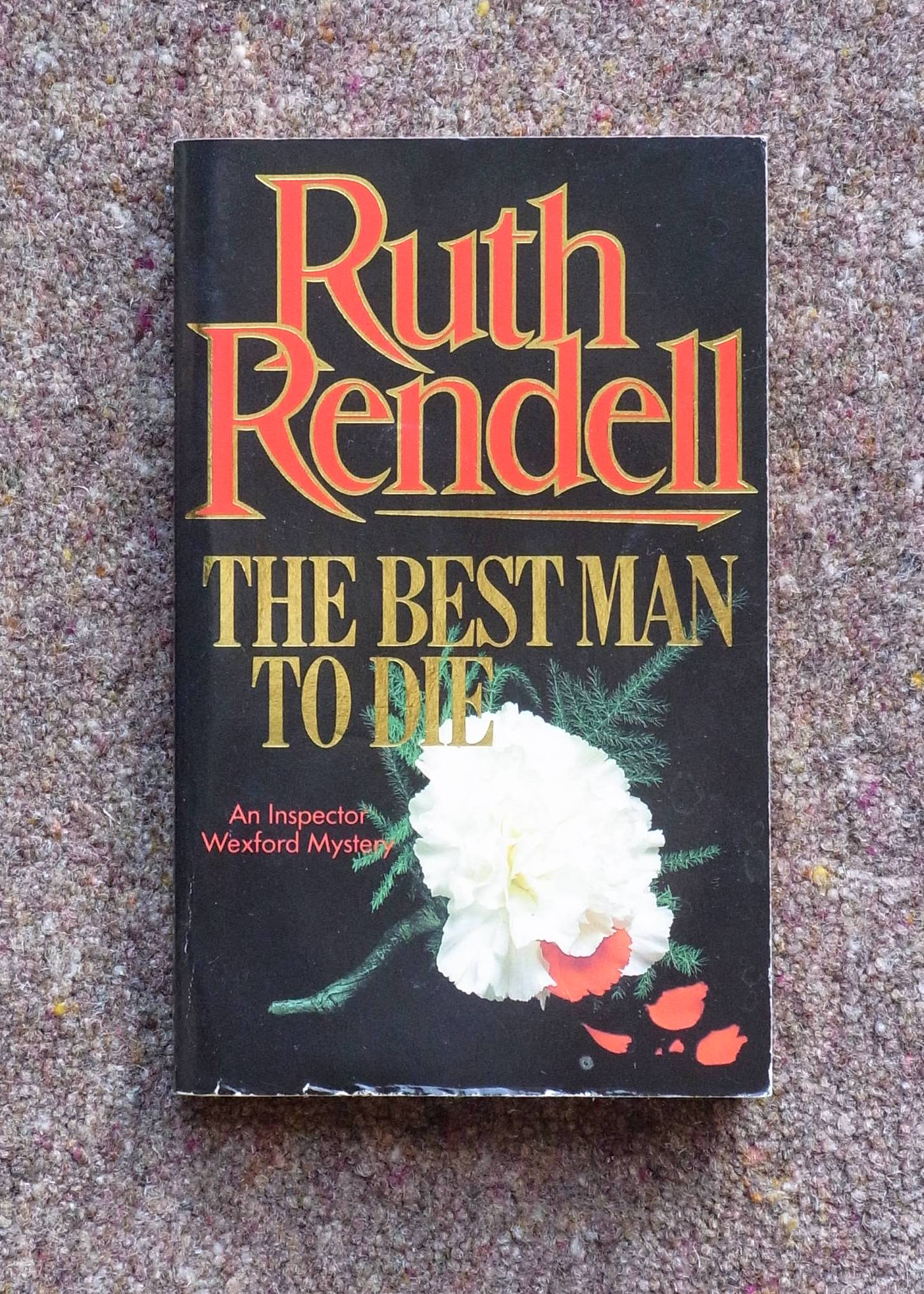 enjoyed Ruth’s psychological thrillers. But this novel turned out to be an Inspector Wexford story (serve me right for not reading the blurb properly!).
After a few pages I had to check the title page to see when it was published – 1969. The book was plunging me into a world where fridges were the height of luxury (does anyone remember life without a fridge?) and wages were £20 a week. The book was full of prices (a top of the range set of false teeth cost £200 and played an important part in the book) and things that just don’t happen anymore – such as using phone boxes!
In the end I enjoyed the book as a social history of its era – a time I don’t really remember even though I was 6 when the book was written.
It also threw up two points that we should consider as writers:
- It’s very easy to make your stories sound ‘dated’ by including prices, wages, specific music etc. This can be an advantage if it’s important to the story that we know it is set in a specific year but a disadvantage if you’re resurrecting an old story for a new competition – your entry may seem a little tired if it’s referring to things that were current 5 years ago.
- Whenever we write we are creating evidence for the historians of the future. Whether our work is published or not someone may stumble upon it in the years to come and marvel at how primitive our lives were at the start of the 21st century!
And whilst I’m on the subject of Ruth Rendell, the Ruth Rendell Short Story competition is open for entries until the end of October. The winner will receive £1000 and will be commissioned to write 4 more stories. Full details are here.
West Country Writers’ Association Competitions 2011
Posted by Sally Jenkins in Competitions, Events on August 1, 2011

- Image via Wikipedia

If you fancy a visit to Bath next April, have a go at one (or both) of these annual competitions run by the West Country Writers’ Association:
- Short story competition – the winner will receive £50 in cash and will also be invited to spend one day at the 2012 West Country Writers’ Annual Congress in Bath (20th to 22nd April). Entries must not exceed 1200 words and can be on any theme but must include the words JANE AUSTEN. Entry fee is £5 and the competition is only open to writers who have had no more than 2 short stories professionally published or read on the radio. Closing date 12th December 2011.
- West Country Writers’ Bursary – all aspiring authors are invited to apply for this annual award. The bursary pays for an individual to attend the annual congress, including accommodation for two nights, all meals, which include the annual luncheon, and entry to the AGM and all talks by well-known writers, or others associated with publishing. To apply write a letter outlining your literary achievements so far, your hopes for future success, and a brief explanation of why you would like to attend the congress. No closing date on the website for this so I’d get your entries in early. It is a fantastic prize and all you have to do is write a letter!
Those of you that read this blog regularly will know that I was awarded the West Country Writers’ Association bursary last year and enjoyed a wonderful weekend in a lovely hotel near Plymouth in April. It was a great chance to chat with other writers and learn from their experiences. There is more about my experience here.
Full details of this year’s competitions, including where to send your entries, is here.
Staunton Harold Bells
Posted by Sally Jenkins in Non-writing on July 28, 2011
The picture shows the ringing chamber at Staunton Harold church in Leicestershire. The church is cared for by the  National Trust and has 8 bells – these haven’t been rung since 1998 due to worries about the structure of the church.
When the volunteer guide discovered that I was a bell-ringer he offered to show me the ringing chamber, which isn’t open to the public. We went up the usual spiral staircase and into a chamber that time forgot. The blue sallies (the furry bits) on the ropes were thick with grey dust and the room seemed to have become a dumping ground for anything and everything. There were a couple of peal boards on the wall recording the ringing successes of earlier generations but what I found most interesting was the ‘music stand’ in the centre of the room.
I’ve been ringing since I was a teenager but have never seen a ‘music stand’ in a ringing chamber before. The ringers would place notes on it to remind themselves of what they were going to ring (usually the ringers have the pattern of changes in their heads or it is shouted by the ringing master). In the picture you can see candle holders on the stand that would have been essential on winter practice nights before electric lighting.
I was very grateful to the volunteer guide for allowing me this peek into history.
What has this got to do with writing? Nothing directly, except that I found it interesting and wanted to bring it to a wider audience – and all my attempts to get an article on bell ringing published have failed.
But then I got thinking about all the generations of ringers that have stood in that ringing chamber – big burly farm hands, soldiers who perished in the world wars, the first women to learn to ring etc etc. Could there be a family saga set around the church and its ringing fraternity? Or maybe a short story about a mutiny amongst the ringers? Or a Midsomer Murders type tale?
So that abandoned ringing chamber could have a lot to do with writing…
The New Writer Magazine
Posted by Sally Jenkins in Competitions, Markets, Resources on July 25, 2011
The New Writer is a subscription only, quarterly writing magazine. Each edition includes a mix of features, fiction and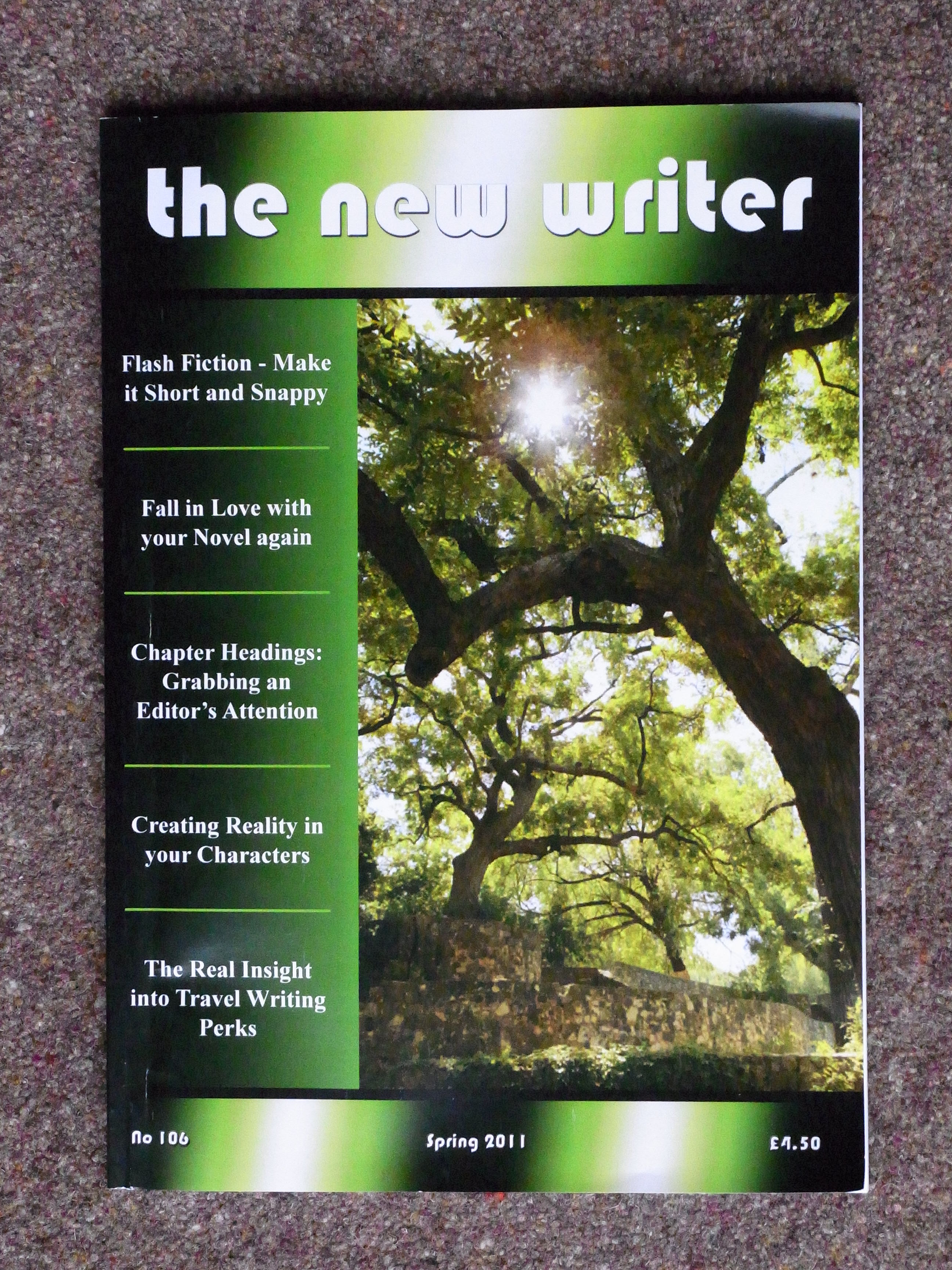 poetry along with regulars such as a Writers’ Circle Clinic by Simon Whaley.
The New Writer doesn’t have the glossy finish of Writing Magazine or Writers’ Forum nor does it have pages of adverts. I think the magazine has a cosy, friendly feel. The Spring 2011 edition included features on ‘First of a Million Kisses’ by romance writer Sally Quilford, ‘Travel Writing Perks’ by Roy Stevenson and ‘Make it Short & Snappy’ by me (!).
The magazine is open to unsolicited articles and features (for which it pays a small amount). Poetry is also accepted but fiction is restricted to guest writers, subscribers’ stories on a given theme and competition entrants.
The New Writer runs an annual Prose and Poetry Competition with 5 categories:
- Micro fiction – up to 500 words (2 entries for £5 or 3 entries for subscribers)
- Short stories – 500 to 5,000 words (1 entry for £5 or 2 entries for subscribers)
- Single poems (2 entries for £5 or 3 entries for subscribers)
- A collection of 6 – 10 poems (£12 entry)
- Essays, articles and interviews on any writing related subject – up to 2,000 words (1 entry for £5 or 2 entries for subscribers)
The annual closing date is 30th November and the prizes are:
Micro Fiction: 1st prize £150, 2nd £100, 3rd £50.
Short Stories: 1st prize £300, 2nd £200, 3rd £100.
Single Poem: 1st prize £100, 2nd £75, 3rd £50
Poetry Collection: 1st prize £300, 2nd £200, 3rd £100.
Essay/article/interview: 1st prize £150, 2nd £100, 3rd £50.
If all this has whetted your appetite then you can obtain a free back issue by sending an A4 SAE to the address shown on the website here (scroll to the bottom of the page for the offer).
From around the web…
Posted by Sally Jenkins in Competitions, Self-publishing on July 21, 2011
… a few interesting bits and pieces
- Waterstones are offering a Faber Academy Creative Writing Short Course (worth £450) in a prize draw, the only snag is you need a Waterstone’s loyalty card to enter – so if you haven’t got one, get one now! Then click here for full details and your chance to win. Closing date 1st September 2011.
- Ian Arkell used the contact form on my ‘About’ page to tell me about his novel, ‘Who Your Mates Are’, which is available for free on his blog. It is a crime novel set in Sydney and the south coast of New South Wales, Australia. Ian came across the usual brick wall when he tried to get it published in the traditional way and so decided to put it in blog form. He explains why here.
- If you enjoy blogging and have an interest in natural health then here is the competition for you. The Wise Woman is running a Natural Health Blog Competition. 500 words on any topic related to natural health could win you £100. Entry fee is £2 and the closing date 31st August 2011.
- As with any job, writing and publishing has its own ‘lingo’ that can seem amazingly complicated to the newcomer. Nicola Davies has been attempting to de-mystify some of the technical terms associated with magazine publishing on her blog. Have a look here if you want to be able to understand ‘editor speak’.
- And don’t forget there’s still time to enter the 100 word story competition on Helen Yendall’s blog – there are two fabulous writing books to be won. Closing date is 26th July and entry is via email.
Author Portraits
Posted by Sally Jenkins in Authors, Books, Promotion on July 18, 2011
For example, in the front of my copy of the chick-lit novel It’s a Kind of Magic by Carole Matthews, Carole is smiling in a sisterly kind of way. But in the crime novel The Mephisto Club by Tess Gerritsen, Tess’s face is much more sombre. The difference between the two women’s photos on their websites is even more pronounced and suited to the mood of their books.
I hadn’t thought about any of this until I read a short piece by Bidisha in the Guardian. Bidisha’s piece was prompted by a new picture that’s come to light of Jane Austen but it got me thinking about my own ‘publicity’ photo which I email off to editors when requested and it also appears on this blog.
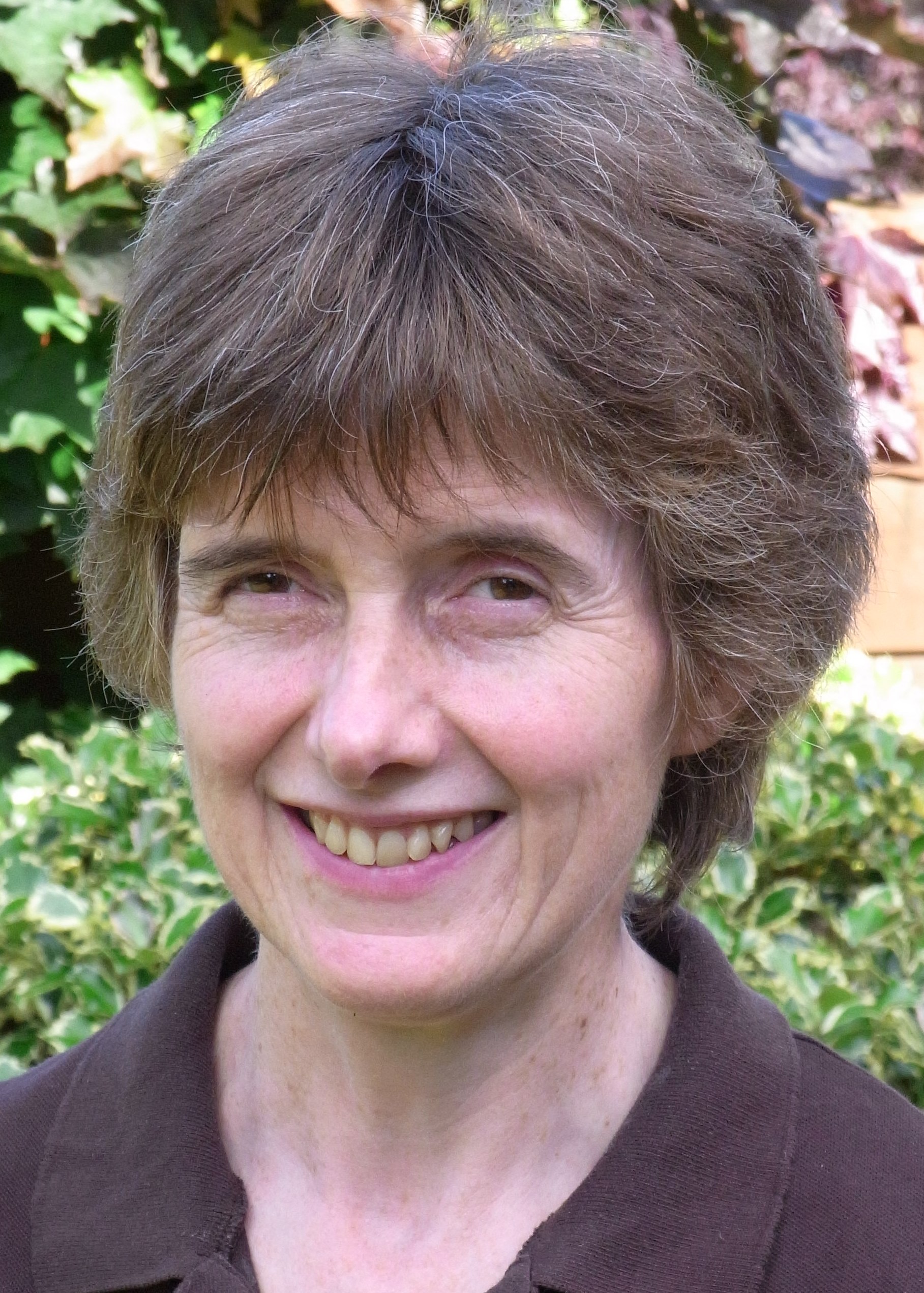
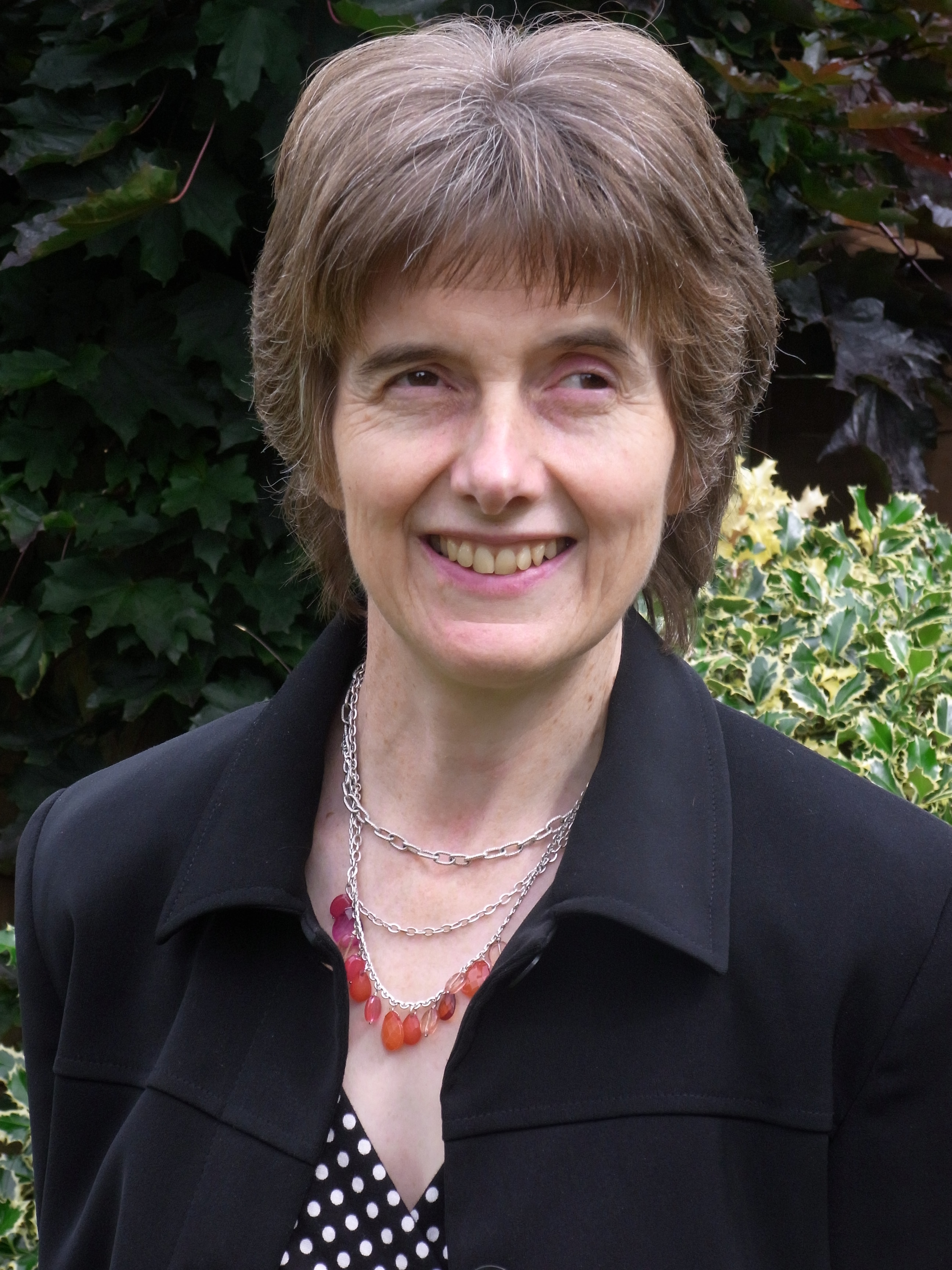
The picture was taken around three years ago and I wondered if it needed updating. In the intervening time I’ve added a few more grey hairs and produced another wrinkle or two – so should I be honest about my ageing or stick with the younger me?
Bidisha says that’s she’s been told, “…it’s good to look more haggard (in a picture) than you actually are, so that when people meet you they are pleasantly surprised.”
I’m not sure that I totally agree with that statement but I don’t want to hide behind a false image so I got my other half to take a few head and shoulder shots of me in the garden.
Have a look at them and let me know whether I should switch to one of the new photos, stick with the old one – or maybe try again when I’ve had my hair done and got my best frock on!
Picture A

Picture B
Picture C
Help for Heroes Poetry Competition
Posted by Sally Jenkins in Competitions, Poetry on July 14, 2011

Image by Defence Images via Flickr
When entering a writing competition it’s nice to think that your entry fee has gone to a worthy cause – it softens the blow of not making it to the short-list!
The Help For Heroes charity is running a poetry competition. First prize is £250 in Primark vouchers and there is no fixed entry fee but entrants are asked to donate at least a pound per poem and all money raised will go to the charity.
The judge is Peter Quinn, managing director of United Press and he is asking for, ” …poems related to Help for Heroes. It could be a poem about an individual or it could be a poem with a message.”
The winner will also have their poem published in a general collection of modern poetry and will receive a free copy of the book as well as attending a prize presentation.
The closing date is November 11th 2011 and full details on how to enter can be found here.
This is a cheap to enter competition for a worthy cause – why not give it a go?
 Sally Jenkins