Archive for category Non-writing
A Photo Shoot!
Posted by Sally Jenkins in Lifestyle, Non-writing, Promotion on January 27, 2026
Apologies for the number of images of me in this post. Here’s the explanation: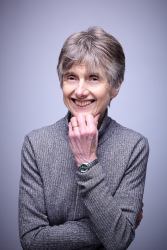
For the last four years I’ve been using the same old headshot for my author publicity and social media. It was taken by my husband and it took ages to get something that was just about acceptable in terms of lighting and my facial expression. Since then I may have grown the odd wrinkle or two, but I’ve delayed getting an updated image because of the aggro involved. However, I came across Najm Clayton, a local photographer with very reasonable charges, so I bit the bullet and asked him to take some photos.
I wasn’t looking forward to the experience. On top of deciding what to wear (plus which additional tops to take with me for a quick change into a ‘different’ look), I was worried about my abilities with makeup which I rarely use but which felt necessary on this occasion and I wasn’t sure I’d be able to produce the ‘correct’ facial expressions on demand.
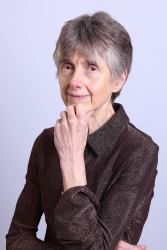 I needn’t have worried. Najm, immediately put me at ease with small talk and background music. The studio location also broke the ice. It was on the first floor of the now closed Marks and Spencer store in Sutton Coldfield. The whole building has become a centre for creatives, which made it feel an appropriate place for an author! The old managers’ offices and staffroom have become artists’ workshops, a band also uses the first floor studio for gigs and the ground floor will soon open as an art gallery.
Najm did test shots to check the lighting and then he guided me through turning my head, adjusting the angle of my hips, raising my chin slightly but not too much and going for a neutral expression but not too passport-like. He spotted any closed eyes immediately and took another shot. Partway through he took a couple of steps up a ladder to get a downward camera angle, after which he posed my arms to give some shots a completely different look. I was sent off to swap my top in the abandoned M&S changing rooms, still complete with mirrors, and then we repeated the whole scenario. And then again with my third blouse.
Amazingly the whole thing took only thirty minutes and it gave me a taste of what it must feel like for models on a fashion shoot. Half an hour was doable but a whole day of being posed, getting changed, posed again ad infinitum must be extremely tiring!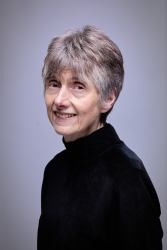
Given the subject matter that Najm had to work with – I think he did a brilliant job!
Find out more about Najm Clayton via his website.
Do You Save Things for Best?
Posted by Sally Jenkins in Books, Lifestyle, Non-fiction, Non-writing on November 21, 2025
I’m one of those people who buys something new, puts it in the wardrobe and keeps it ‘for best’. Only to bring it out a year or two later and find it’s either gone out of fashion or no longer fits. I’m also a rainy day saver, convinced that a catastrophe is awaiting around the corner. Therefore, I save coffee shop loyalty free drinks, supermarket club card points, beautiful notebooks and any spare cash for when/if that catastrophe ever happens.
However, my mindset is changing after reading, ‘Die With Zero’ by Bill Perkins. The book reiterates what we all know but rarely act upon: There are no pockets in shrouds and You can’t take it with you. It advocates spending/using things so that you die with as little surplus as possible. This means that you get to enjoy everything that you’ve ever worked for over the years.
Bill’s advice is equally relevant to billionaires and those of us of more modest means.
He advocates maximising expenditure on travel and other active experiences in our younger, healthier years instead of hoarding money until we are too old or ill to enjoy hill walking, skiing, sightseeing or whatever it is that we’d like to try. Bill also explains that just as our money earns interest when invested in the financial markets, it can also earn us interest when invested in experiences. This latter type of interest comes in the form of memories and the pleasure we get at looking at photos and souvenirs of those experiences, holidays, meals with friends etc. And this interest, like financial interest, benefits from compounding over time, i.e., the earlier in life we create a memory, the longer we have to enjoy looking back on it.
Following this spending mindset sounds mean if you have people to whom you’d like to bequeath money when you die but Bill Perkins has an answer to that. Generally, people are in the latter half of their lives, say 50+, when they lose both parents and thus inherit. By that time most people are financially solvent after working hard and with children grown up. The time that most of us could use some extra money is around age 30, when we are setting up home, starting a family and struggling on the career ladder. Therefore, Bill argues, it’s better to give money to your children when they need it most and you can enjoy seeing how it’s helping them, rather than waiting until you’re dead.
The big hurdle to all this is knowing how long you are going to live, so that you can ensure that you don’t spend/gift too much money too soon and end up at zero but with several years of life remaining. The book suggests using one of the many online life expectancy calculators to estimate how long you might reasonably have left or some financial advisors suggest using the age of 90.
Most people probably come to this book later in life – but, in order to grow the compound interest on those experience investments, reading the book at an earlier age is recommended. However, as in my case, better late than never.
And tomorrow I’m going to start wearing the things in my wardrobe which still have labels on!
Sorting Out the Admin
Posted by Sally Jenkins in Lifestyle, Non-writing, Resources on June 21, 2024
Being a writer isn’t just about the writing. Being a writer is like a running a small business, which is why all the big name authors employ assistants to help them. Those of us without the financial resources to do that, have to do it all ourselves! I’m currently taking a break from getting the words down while I wait for an editorial decision from my publisher and I’m using that time to get some of that admin done.
Firstly I’ve checked that all editions of my books are registered with the UK’s Public Lending Right. This is done via the British Library and ensures that authors receive a small amount of money every time their book is borrowed from a library. I’d like to say that this money is payable every time a book is borrowed from ANY UK library but the payments only apply if the books are borrowed from a sample of libraries across the UK. This sample changes from year to year and you can see which libraries are included this year and next on the website and scrolling down to the bottom of the page. Unfortunately for me, Birmingham Libraries (where I know there are several copies of my books and they do get borrowed!) is not in any of the recent samples. But maybe a library elsewhere has copies too!
I’ve also made sure that all editions of my paperback books are registered with ALCS. One of the reasons for doing this is to ensure I receive a small royalty if any of my books are sold secondhand via the World of Books website. More details about how this works can be found on the Society of Authors website. In the future it’s hoped that more secondhand booksellers will join the scheme. Fingers crossed!
I’m also going to be running a free prize draw in the next edition of my newsletter to win a signed (or unsigned if you prefer!) copy of The Promise. At the moment brand new paperback copies of The Promise are only available exclusively from me (there are a couple of secondhand copies on World of Books!) and it is also available on Kindle with an updated cover. If you’d like to be in with a chance, please sign up for my newsletter ASAP and before 26/6/2024. My newsletter is published less frequently than this blog and contains more general content for readers rather than specifically for writers. I’d love to have you on board!

All Change at Jenkins Towers …
Posted by Sally Jenkins in Competitions, Events, Lifestyle, Non-writing, public speaking on February 6, 2024
There’s been a bit of stuff going on around here lately, which is making my long held vision of becoming a fulltime writer hover on the horizon. This is NOT because I have suddenly hit the New York bestseller lists and the money is pouring in, although as I write, Kindle Direct Publishing for Absolute Beginners has an orange ‘bestseller’ flag in Amazon’s Electronic Publishing category – which may have disappeared by the time you read this.

119419479 © Monkey Business Images | Dreamstime.com
My current situation has arisen because of redundancy from my part-time job in IT and being at very high risk of losing my library position as well (due to council cuts). On top of this, the gearbox in my old car is making clunky noises and will cost more than the car is worth to replace. So, there’s been a lot to think about and not a lot of writing or blogging has been happening.
However, I have not been totally idle. I’ve been preparing an author talk based around the inspiration for Little Museum of Hope. The first outing for the talk is Friday 9th February at Mere Green library in Sutton Coldfield – I’m keeping my fingers crossed that it will be well received!
And on the evening of Friday 23rd February I will be taking part in a Women’s Fiction panel at the Museum of Cannock Chase, organised by the lovely Kim Nash. It’s the first time I’ve been involved in a panel event so it will be an interesting experience.
Moving away from my life, I’ve spotted an unusual ‘competition’ for historical fiction writers from Sapere Books. On their website are a selection of outlines for historical fiction series. Choose one of the briefs and write a synopsis and the first three chapters of the first book in the series. As the prize will be a contract for a five-book series, ideas and outlines for the next four books in the series are also welcomed. The competition appears to be open to all writers, published or unpublished but do check all the details. The closing date is 31st May 2024.
Finally, if you enjoy reviewing WWII sagas, take a look at Helen Yendall’s latest book on Netgalley. I think it might tempt you!
The Positivity of Grudges
Posted by Sally Jenkins in Authors, Books, Lifestyle, Non-writing on September 8, 2023
After being inspired by Sophie Hannah’s talk at the 2023 RNA Conference on ‘How to be a Happy and Successful Writer’, I went in search of self-help books by Sophie. I found ‘How to Hold a Grudge‘. The title didn’t inspire me – I was of the mindset that grudges are all about bitterness and negativity but I started reading anyway.
Sophie writes in the same chatty, amusing way that she speaks and the book is very easy reading. And she does not advocate any bitterness or negativity! In a nutshell she advises that when someone acts badly towards us, we should:
- Recognise that a wrong has been done to us
- Acknowledge that we feel angry and/or upset and that it’s OK to feel like this
- Do not try to immediately forgive, forget and move on
- Record the grudge and learn from it. Simplistic examples of this are: accept that Fred is always late when you arrange to meet and therefore turn up a few minutes late yourself instead of waiting angrily, or learn to stop lending books to Jane because it upsets you when they come back damaged. This learning protects us from future hurt by these people.
- Having taken the above steps, we will find that the anger, bitterness, and upset we feel towards that person will diminish.
(Apologies to Sophie if I haven’t got the above spot on. There’s a lot more advice in the book than those few bullet points!)
The book is an absolute delight to read – especially the details of some of Sophie’s own grudges which, having learned from them, she keeps in her ‘grudge cabinet’. However I would say that a much better (and more realistic) title for the book would be ‘The Positivity of Grudges’.
I’ve also read (and learned from) Sophie’s more recent self-help book, ‘The Double Best Method‘, which is all about how to make decisions – great for ditherers like me!
Eating for Prediabetes
Posted by Sally Jenkins in Lifestyle, Non-writing on December 16, 2022
Disclaimer: I am not a medical professional: this blog post is written based on my own personal experience.
In October 2022 I had a routine blood test and two days later was told that I have prediabetes. According to Diabetes.org.uk: Prediabetes means that your blood sugars are higher than usual, but not high enough for you to be diagnosed with type 2 diabetes. It also means that you are at high risk of developing type 2 diabetes. You are unlikely to be experiencing any symptoms with prediabetes. Prediabetes is also sometimes called borderline diabetes.
Type 2 diabetes happens because insulin can’t work properly, so your blood sugar levels keep rising. This means more insulin is released. For some people with type 2 diabetes this can eventually tire the pancreas out, meaning their body makes less and less insulin. This can lead to even higher blood sugar levels.
Prediabetes is a warning that if you don’t change your diet, you are likely to develop full-blown type 2 diabetes.
Myth: Only fat people get type 2 diabetes.
I have a low BMI and am very active. When I saw the nurse, to be advised on my new diet, she weighed me and told me not to lose any weight.
My new diet is supposed to be low on carbohydrates and sugar but high in protein and fats, with an emphasis on ‘good’ fats such as those found in avocadoes, oily fish and nuts. The nurse impressed upon me that I must remove as much carbohydrate and sugar from my diet as possible. It’s taken some getting used to because I thought my previous diet was healthy.
Breakfast cereal is now off limits. I used to have a bowl of bran flakes plus a Weetabix followed by two slices of toast and marmalade. However, I weighed the cereal I used to eat and it was double the suggested serving of bran flakes plus there was the Weetabix – and it all contains sugars. The nurse suggested a cooked breakfast or lots of full fat Greek yoghurt plus nuts and seeds.
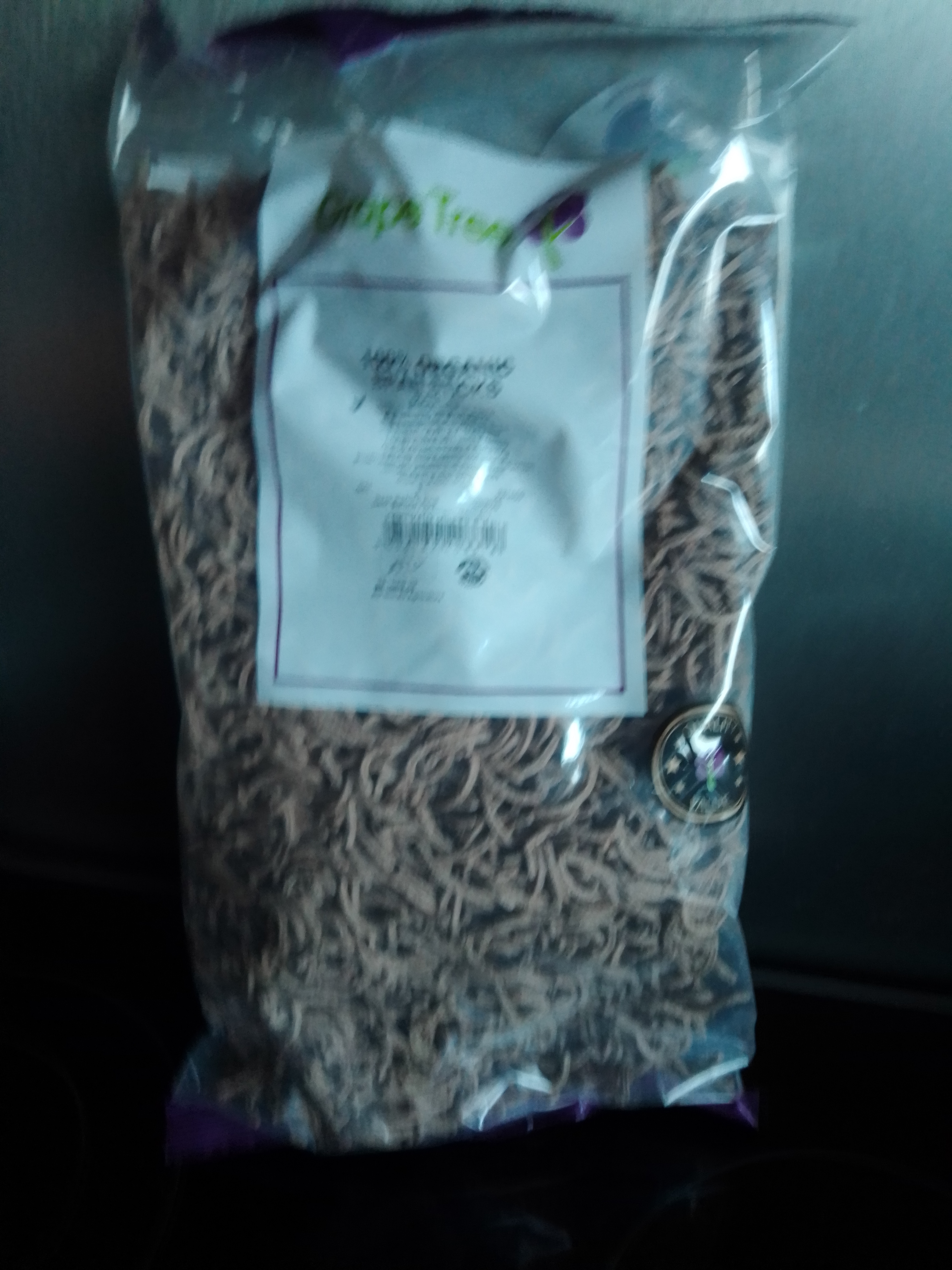
Grape Tree Bran Sticks
My compromise – I’ve ditched the bran flakes and Weetabix and replaced it with 15g of bran sticks from Grape Tree plus some nuts, seeds, dried coconut and some berries. I soak it in milk overnight and it tastes fine. I still have toast but have ditched the marmalade, instead I have either a fried egg, avocado, cheese or sugar free peanut butter on top.
At lunchtime my staple used to be two wholemeal rolls with cottage cheese and tomatoes. I started the new diet by replacing one roll with homemade coleslaw. Now I sometimes don’t have any bread at all. Instead, I have a large serving of coleslaw plus cheese or sardines (in tomato sauce) or chicken plus nuts, tomatoes and whatever else is in the fridge.
The evening meal is the hardest because it always included potatoes or pasta or rice etc. The nurse suggested mashed cauliflower instead of potatoes and it is nice. I’ve been reading various diabetic recipe books and some of the recipes turn out well, others are a bit insipid. And sometimes I do have to let the carbs back in but with the reduction in breakfast and lunchtime carbs, that’s probably OK.
I mostly say ‘no’ to cakes and sweets but fear that will waver over Christmas! The hardest thing is not knowing whether I have adapted my diet enough or too much or whether I need to do more. My GP won’t check again until October 2023.
By the way, I tried making diabetic carrot cake – it wasn’t good. I think the best policy is not to create no-sugar versions of favourite cakes but to have a little bit of the real thing very occasionally. My cauliflower and corned beef hash turned out well though. The experiments continue …
If anybody’s got any tips or tricks, I’d love to hear them!
Life Coaching Benefits
Posted by Sally Jenkins in Lifestyle, Non-writing on November 29, 2022
Earlier this year I was feeling despondent about my writing. Over the previous three years I’d had the excitement of securing an agent, working with her on two books and then the subsequent deep disappointment when none of her submissions to the big publishers were successful. The whole act of writing seemed a fool’s game: the short story market was shrinking, publishers preferred to invest in well-known names to guarantee book sales and, during lockdown, everyone seemed to have become a writer. I was on the verge of giving up. Then, on social media, I discovered trainee life coach, Elizabeth Scott. I explained that I was at a crossroads in my writing career and didn’t know how to move forward or whether to give up completely. Elizabeth offered me three virtual coaching sessions.
Did the sessions work?

Elizabeth Scott
Yes. Elizabeth didn’t offer direct advice on what to do. She didn’t give her opinion on whether I should stop writing and do something more rewarding and less frustrating instead. She didn’t judge whether I was any good at writing.
Instead, she encouraged me to think in a different way. For example, she asked me to draw a circle and put into it the different aspects of my life: work, family, writing, exercise etc. Then she asked what I would like to remove or decrease in that circle and what I wanted to spend more time on. I found that I couldn’t get rid of writing and said that, in a perfect world, I would like to spend more time writing. We talked about NaNoWriMo because in the past that has triggered a burst of enthusiasm for writing. But starting a new novel, after all the disappointments, didn’t appeal. I mentioned the possibility, instead, of drafting one short story a day during November – as long as I had a list of thirty ideas before November 1st. But still I wasn’t sure I wanted to go ahead.
“How will you feel if you don’t take on this challenge?” Elizabeth asked.
“Disappointed in myself for just drifting.”
“How will you feel if you do the challenge?”
“Pleased with myself.”
I had my answer. We agreed that I would begin to find ideas and report back to Elizabeth at our next session. Knowing that I had to report back acted as a great incentive for me and I generated thirty ideas. At the next session I mentioned to Elizabeth that I now needed to find the discipline to force myself to sit down and write these stories.
“‘Discipline’ and ‘force’ are harsh words,” she said. “Try using the word ‘habit’ instead.”
She was right. Saying that I now needed to make writing a habit sounded much more achievable.
Sometimes a fresh pair of eyes, experienced in navigating life’s obstacles, (plus a change in semantics) can send us off with fresh confidence and positivity.
Elizabeth is now a fully qualified life coach, helping people to set and achieve their goals. If there are changes that you’d like to make in your life (writing-related or not), see her website for the offer of a free twenty-minute exploratory chat.
What I Did on My Holidays
Posted by Sally Jenkins in Competitions, Lifestyle, Non-writing, Travel on September 8, 2022
You don’t have the slightest interest in what I, or anyone else, did on their holidays but please bear with me – there is a literary slant to what I have to say, plus it saves me having to write a book, which I did in 2013 and 2021.

Big Water of Fleet Viaduct
This year we drove from the Midlands to Kirkcudbright in Dumfries and Galloway. En route we stopped for coffee in Sedbergh: England’s Official Book Town. Sedbergh is a small place where many of the independent shops have added the sale of secondhand books to their wares. The big attraction for me was Westwood Books which has a stock of over 70,000 titles – antiquarian, secondhand, and some new books. I was tempted by a copy of The Seven Sisters by Lucinda Riley which has been strongly recommended by my sister-in-law. But it’s a very thick book and I have a long TBR list, so I resisted the urge.
On arrival in Kirkcudbright we discovered that Dumfries and Galloway has its own literary connections. It was the setting for The 39 Steps by John Buchan and the viaduct in the photo was used in one of the film versions of the story. And Five Red Herrings, a murder mystery by Dorothy L Sayers, is set in Kirkcudbright itself and the 4-part serial is available on YouTube.
What did we actually do on holiday? Walking, a guided tour plus afternoon tea at Buittle Castle (both were excellent), walking, Raymond Briggs retrospective exhibition at Kirkcudbright Art Galleries, walking, Kirkcudbright Annual Tattoo (marching bands and a stunt motor cyclist!), walking and Kirkcudbright Art Tour.
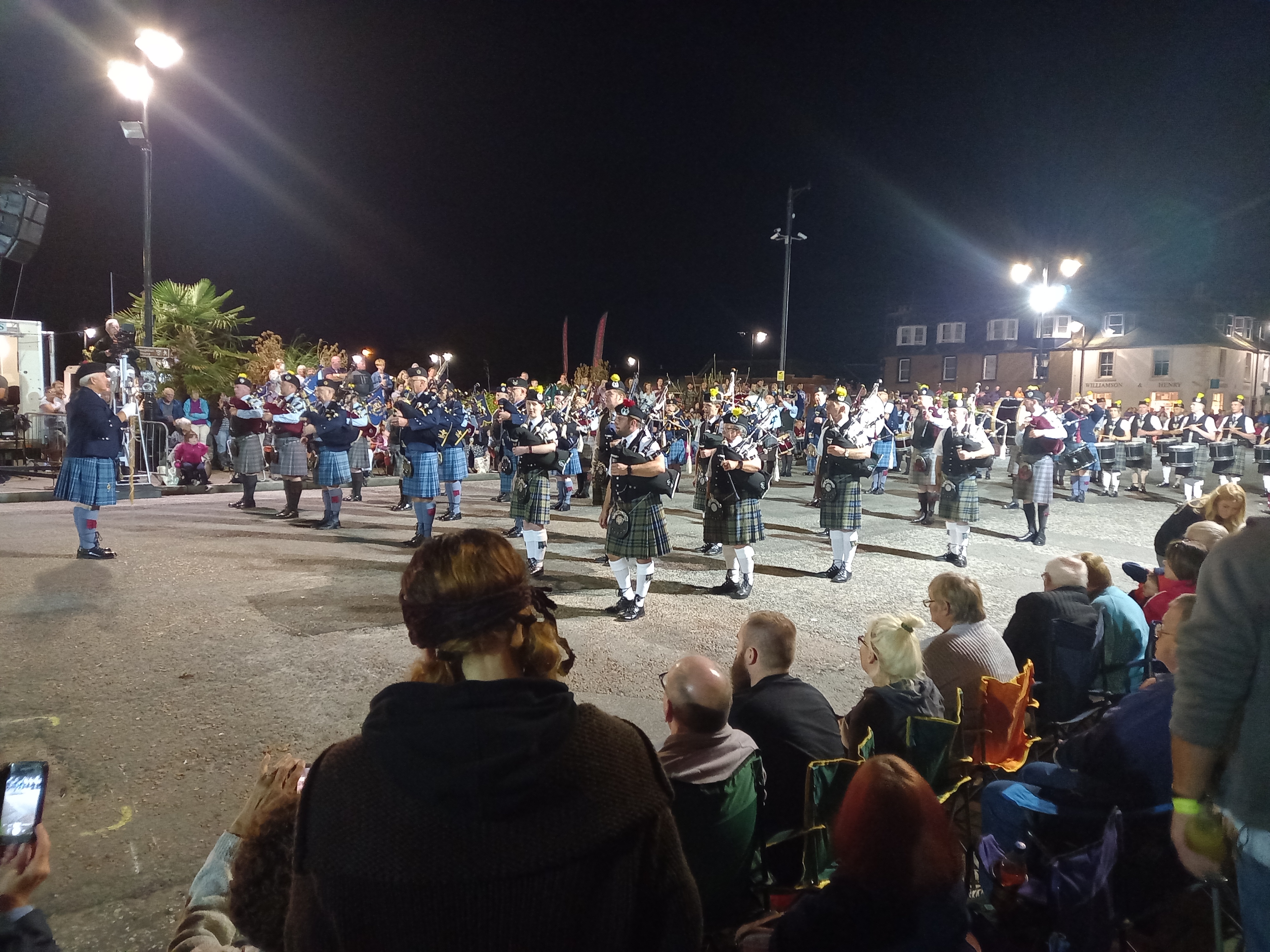
Kirkcudbright Tattoo
Well done – you made it to the end of my holiday essay!
Finally, you might be interested in this crime writing short story competition. It closes 23rd January 2023 but there’s a reduced early bird entrance fee of only £3 if you enter before 1st December 2022.
In Praise of the Electronic Calendar
Posted by Sally Jenkins in Computers & Technical, Lifestyle, Non-writing on April 1, 2022
Towards the end of 2021 I bought my usual paper calendar and started to jot down the skeleton of my commitments for 2022. In October 2021 I’d started a new part-time job as a library assistant which requires me to work alternate Saturdays. Also in 2021 I became a co-leader of a Shared Reading group – my turn comes around every other Thursday.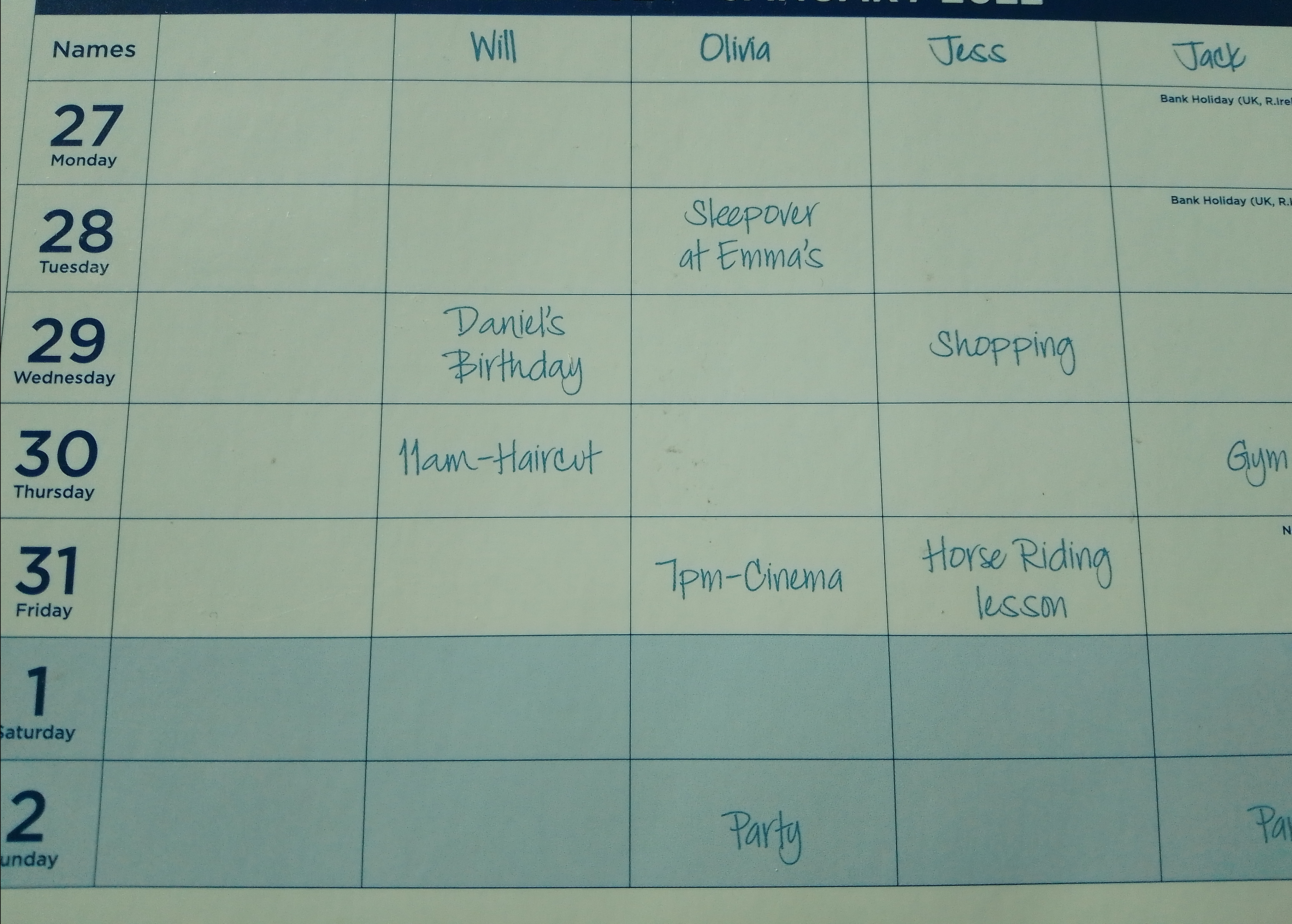
I couldn’t be bothered to go through the whole calendar and work out the dates of both of these two-weekly engagements. Then, my husband, who was working away during the week and didn’t have sight of the joint paper calendar, began putting dates into his phone so he had them to hand.
That was my light bulb moment! I stepped forth into the convenience of the electronic calendar and wondered why I’d been a dinosaur for so long.
It was easy to download the Calendar app and I discovered it was possible to set up single events for the library job and Shared Reading and then tell the calendar to schedule the events fortnightly going forward. What a time saver!
I discovered it was possible to make my calendar visible to my husband and vice versa – so we can see if there are any clashes with dates.
I discovered it was possible to set up an event and send an email invite to someone else.
If I’m out and someone suggests a date for our next meeting, it’s easy to check the calendar on my phone and see when I’m free – no more waiting until I’m home to look at the joint paper calendar hanging on the wall.
So far I’ve come across only two disadvantages to the electronic calendar. Firstly, I can’t simply glance at the wall as I walk past to see what’s happening over the next week – I have to remember to check my phone (but you can elect to get e-reminders of events in advance). Secondly, I have a vague fear of the servers belonging to the calendar provider crashing and burning – and taking the whole of my life with them. But the same could’ve happened to the paper calendar hanging in my hall.
Like everyone else, my work life has long been governed by an electronic calendar on the office laptop. It’s just taken me a very long time to make my personal life easier by embracing the calendar on my phone!
I’m using Google Calendar but other electronic calendars are available – as I’m sure you know because you’re probably light years ahead of me in your use of them. Please let me know that I’m not the only one who’s taken so long to embrace technology!
Shared Reading in Sutton Coldfield
Posted by Sally Jenkins in Books, Events, Non-writing on May 19, 2021
Earlier this year I did a 3 day Zoom training course in order to become a volunteer Reader Leader for the charity The Reader.
That training has now come to fruition and my own fortnightly Shared Reading in Sutton Coldfield Group started on Zoom last week. We hope to move to face-to-face meetings in Sutton Coldfield library as soon as restrictions allow (my fingers are tightly crossed!).
The participants in a Shared Reading Group have no homework – all the reading is done aloud during the meeting (as the leader I do have the homework of choosing and preparing the texts). The reading usually comprises a short story and poem and the two texts may share a theme. We take a pause at relevant points in the story and discuss what has been read, hypothesize about what might happen next and pick out any parts of the text which strike a chord with us or that we don’t fully understand. The poem will be read aloud a couple of times before we start to drill down into its possible meaning. It’s not an English Literature lesson (I have no relevant qualifications!) and there are no right or wrong answers: everyone’s opinion is valuable and valid because we all take different things from the text. The things that we take away might educate the way we live our lives.
And participation in the group is free!
For our first meeting we read The Bet by Anton Chekhov as our story. It tells about a bet between two men – if one can live in solitary confinement for fifteen years he will be paid two million dollars by the other. During the reading we discussed who might win the bet, the way the ‘prisoner’ spent his time and what effect the isolation had on him. You’ll have to read the story to discover the outcome of the bet!
We followed this up by reading For Whom the Bell Tolls by John Donne and talked about whether we are all valuable to society.
I’m excited to be getting this group started!
There’s more information about how Shared Reading can help depression, loneliness or simply bring like-minded people together on The Reader website. There’s more about the Sutton Coldfield group on the Folio website.
-
You are currently browsing the archives for the Non-writing category.
 Sally Jenkins